Explore the Infinite: The Ultimate Nintendo Switch Sci-Fi Games
The Nintendo Switch has established itself as a phenomenal platform for science fiction gaming. Whether you prefer sprawling space operas, dark cyberpunk thrillers, tactical futuristic battles, or terrifying survival horror set in distant galaxies, Nintendo's hybrid console offers something for every futuristic enthusiast. The porting prowess of modern developers has brought astonishingly heavy sci-fi titles onto portable hardware alongside iconic Switch exclusives.
To help you navigate through the stars, we have curated the top 20 best sci-fi games available on Nintendo Switch. These titles offer gripping narratives, innovative gameplay mechanics, and breathtaking futuristic worlds you can take anywhere.
Top 20 Best Sci-Fi Games on Nintendo Switch

1. Metroid Prime Remastered
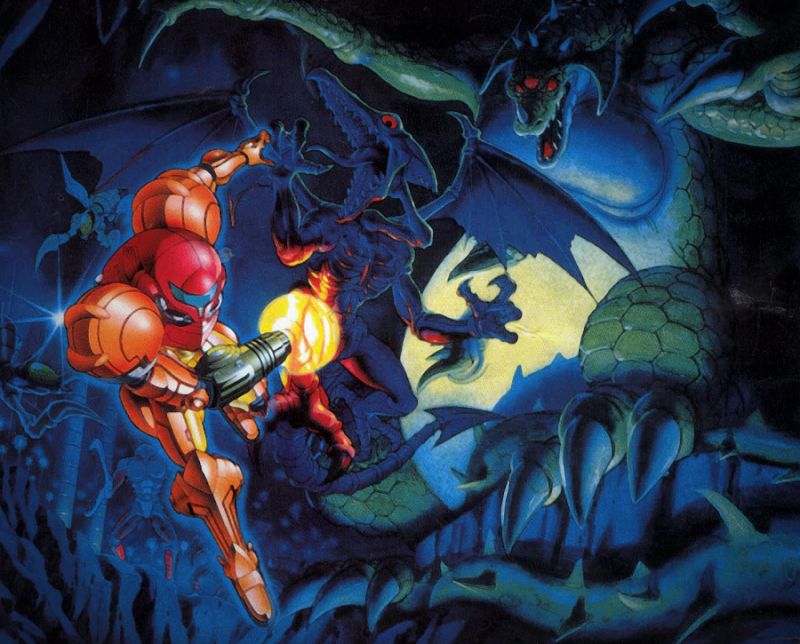
Metroid Prime Remastered sets the golden standard for first-person exploration. Playing as bounty hunter Samus Aran on the hostile alien planet Tallon IV, players experience atmospheric narrative storytelling through scanning environmental elements and fighting terrifying space pirates. With upgraded visuals and updated controls, it remains an absolute masterpiece on Nintendo Switch.
2. Metroid Dread
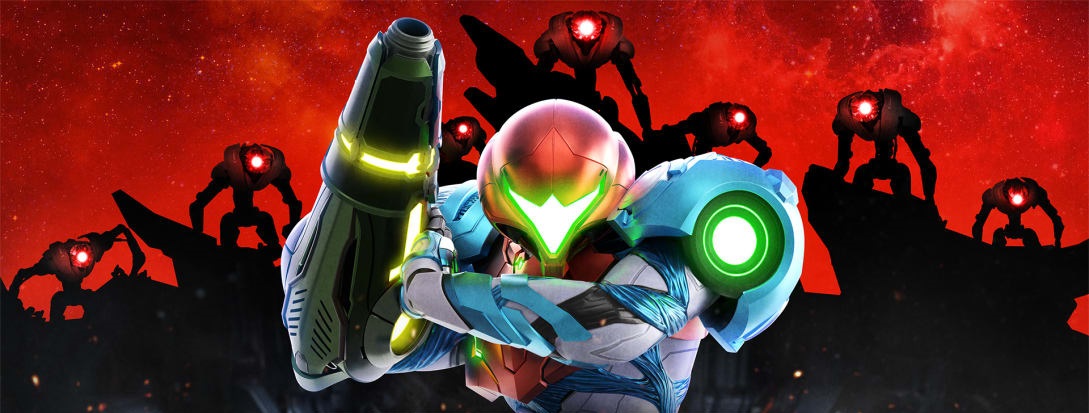
Returning to classic 2D side-scrolling action, Metroid Dread brings intense sci-fi horror mechanics through the deadly E.M.M.I. robots hunting Samus across planet ZDR. Smooth controls, exceptional level design, and satisfying suit upgrades make Metroid Dread a essential title for sci-fi fans.
3. Astral Chain
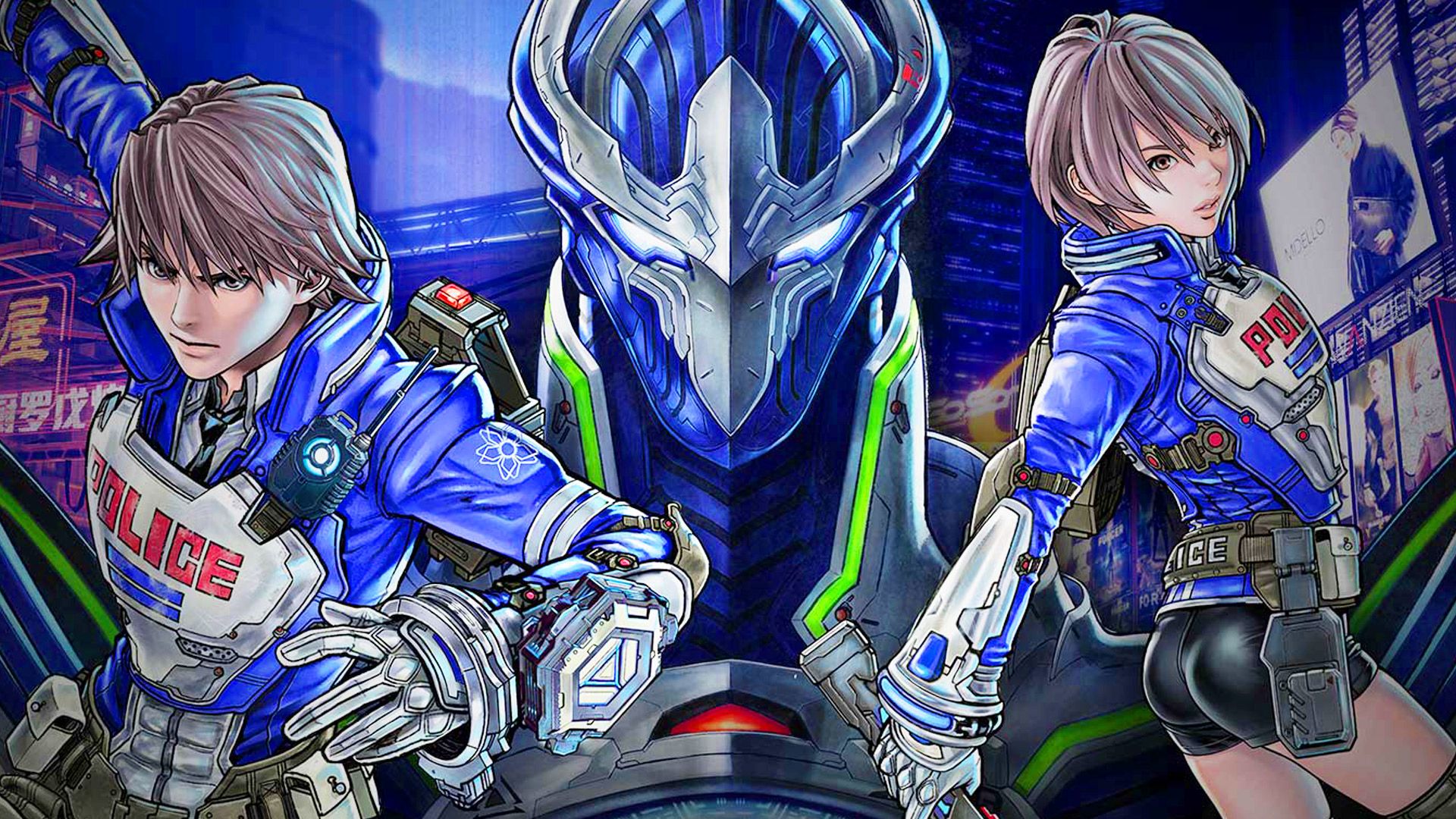
Developed by PlatinumGames, Astral Chain is a stylish cyberpunk action game exclusive to the Switch. Players control a special police task force officer linked to a tethered biomechanical weapon called a Legion. Combat is fast, dynamic, and visually striking set within a neon-lit futuristic metropolis.
4. Xenoblade Chronicles 3
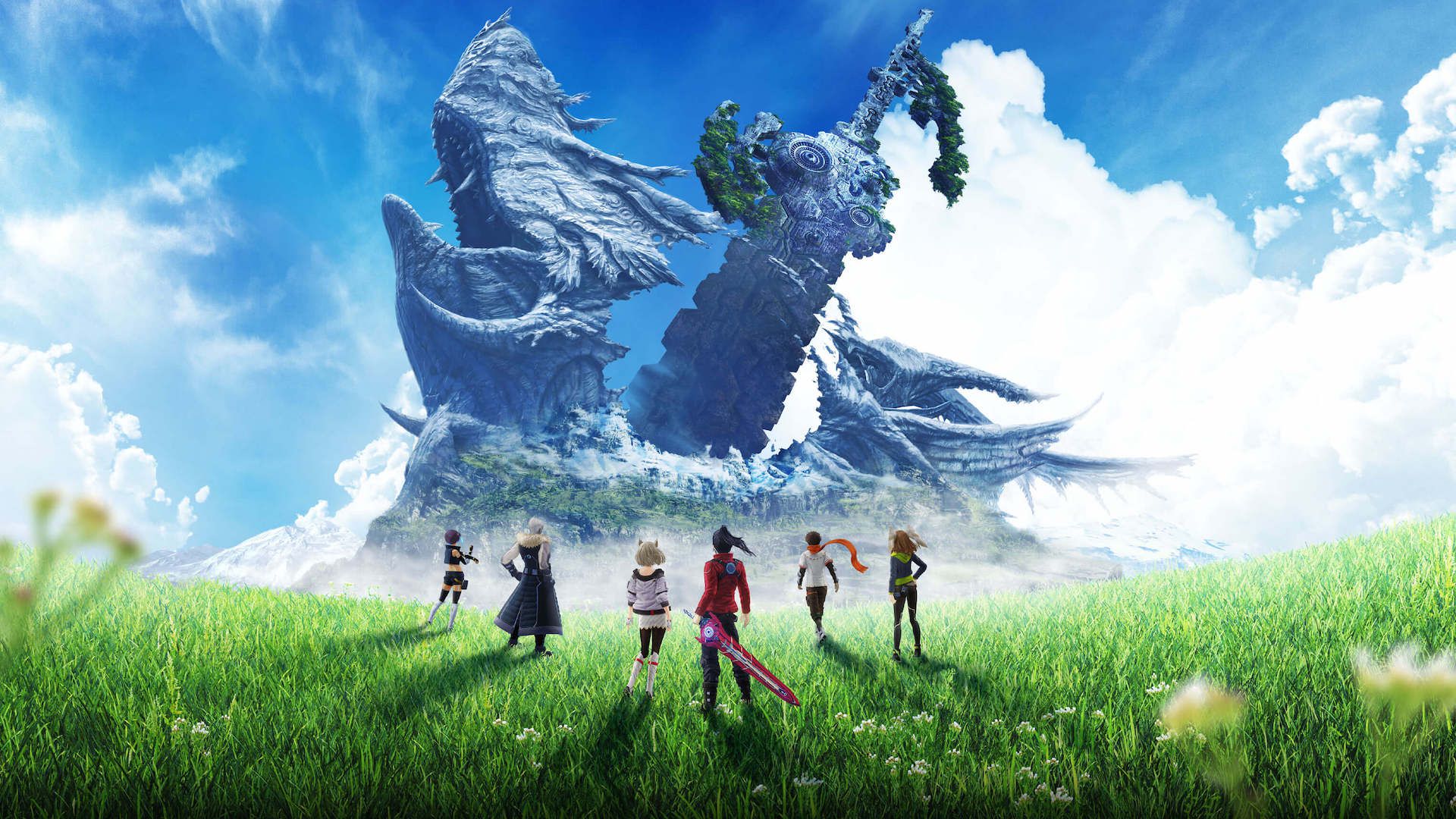
Merging high-concept sci-fi themes with grand fantasy, Xenoblade Chronicles 3 delivers an emotional journey in a world trapped in a perpetual cycle of war fought by bio-engineered soldiers. Featuring massive mechs, intricate real-time combat, and an unforgettable story, this RPG showcases the peak performance of the Switch.
5. NieR:Automata The End of YoRHa Edition
In a distant future where Androids battle machine lifeforms to reclaim Earth for humanity, NieR:Automata The End of YoRHa Edition offers a profound philosophical narrative. Running impressively well on Nintendo Switch, it combines hack-and-slash action with shmup mechanics and multiple story endings.
6. Alien: Isolation
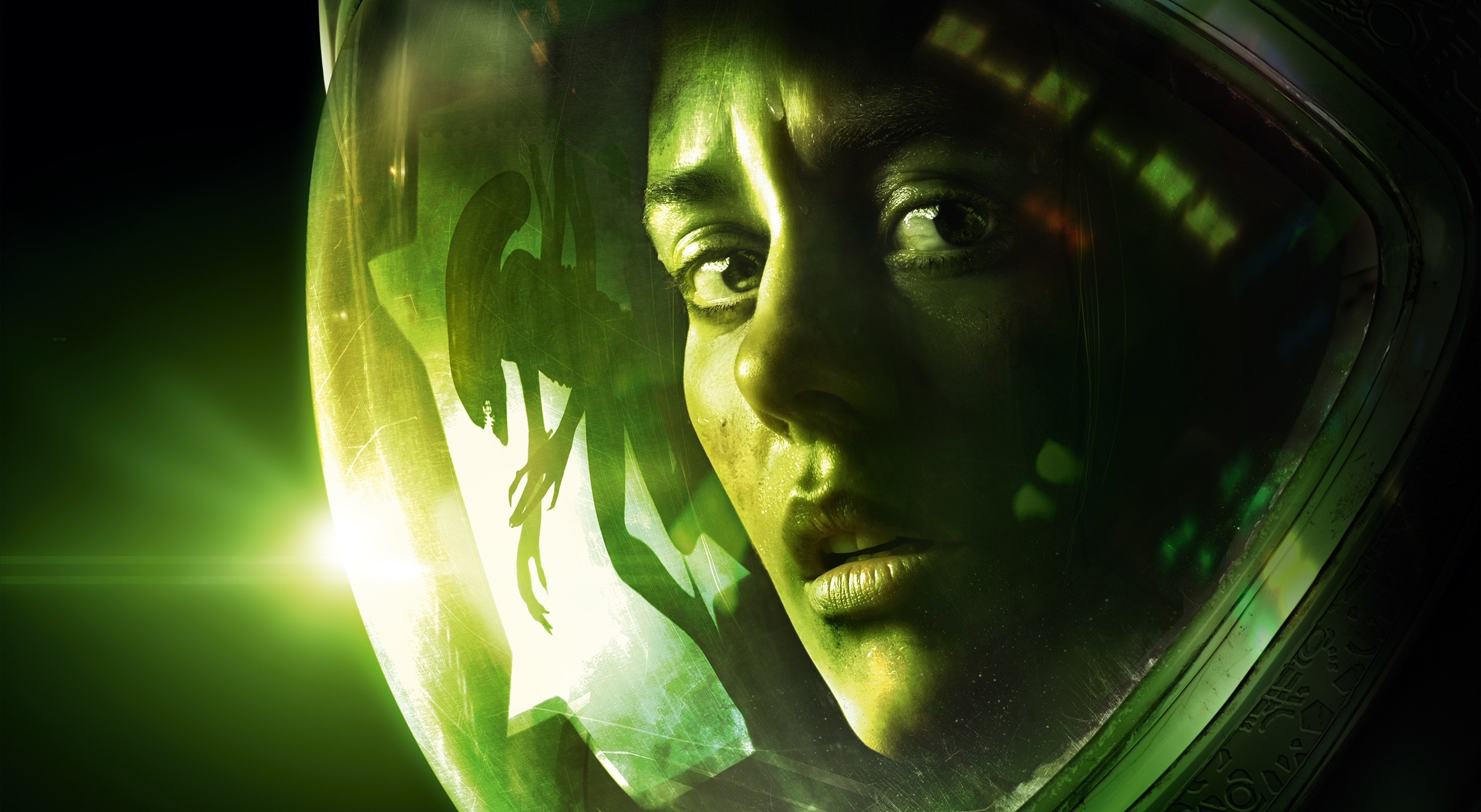
Widely regarded as one of the best ports on Nintendo Switch, Alien: Isolation captures the terrifying atmosphere of Ridley Scott's original film. Navigating the space station Sevastopol while hiding from an unscripted, adaptive Xenomorph creates unmatched sci-fi horror tension.

7. Portal Companion Collection
Bringing together Portal and Portal 2, this collection provides brilliant spatial puzzle-solving inside the cold sci-fi laboratories of Aperture Science. Driven by the passive-aggressive rogue AI GLaDOS, both titles remain quintessential sci-fi classics.
8. No Man's Sky
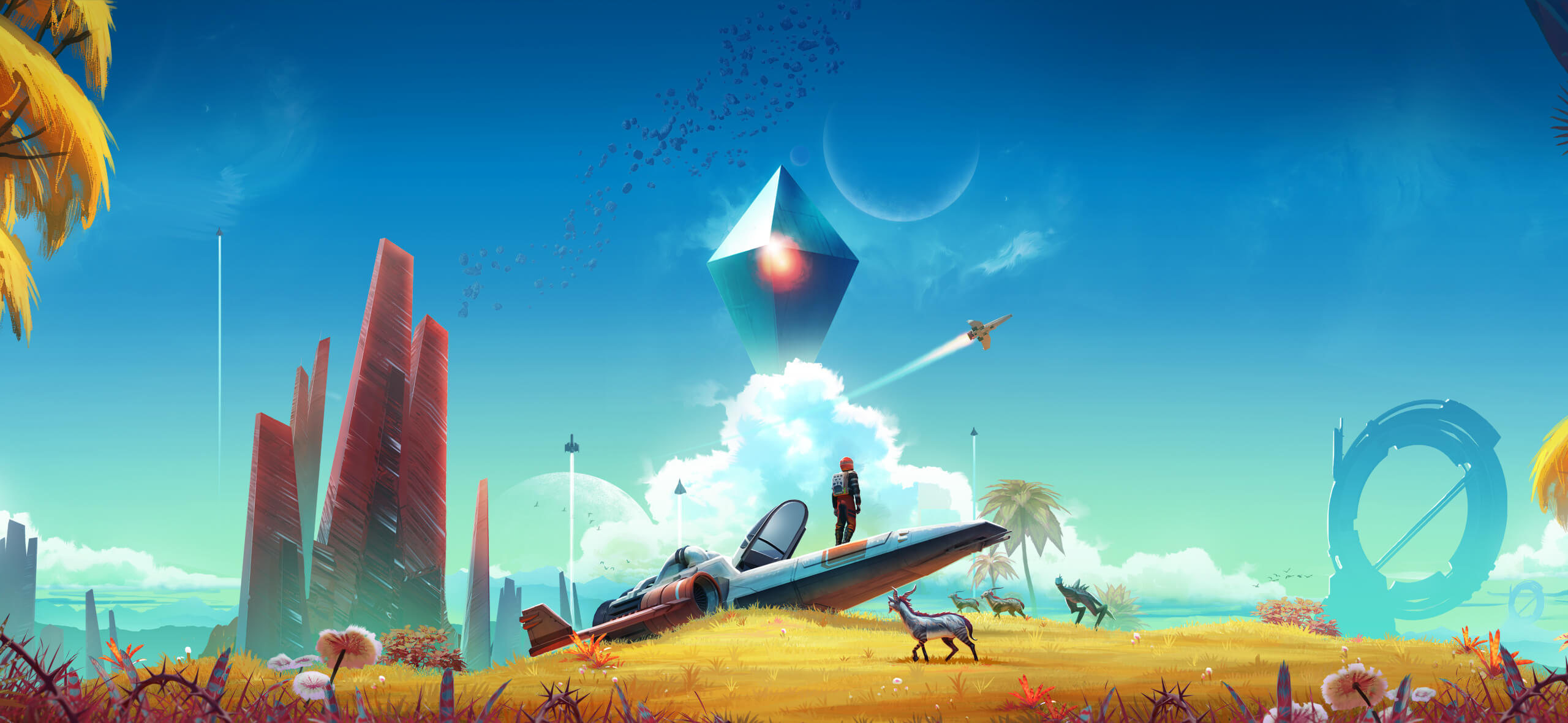
Featuring a procedurally generated universe with billions of exploreable planets, No Man's Sky on Switch is a technical marvel. Craft, fly through star systems, construct bases, and discover alien species entirely on handheld mode.
9. 13 Sentinels: Aegis Rim
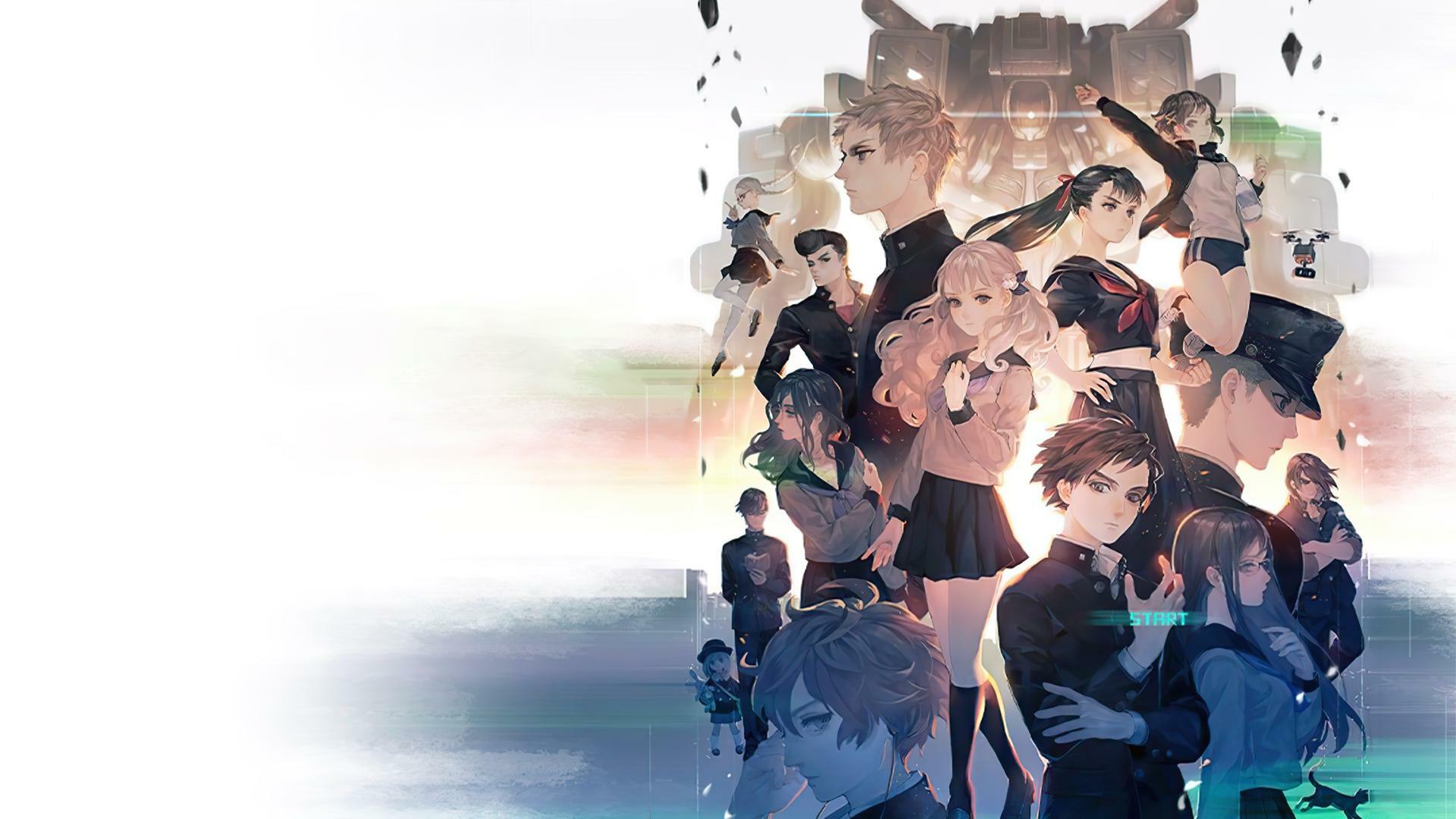
Combining beautiful hand-drawn side-scrolling narrative adventures with real-time tactical mecha battles, 13 Sentinels: Aegis Rim weaves a complex, time-travel sci-fi tale following 13 interconnected protagonists.
10. Signalis
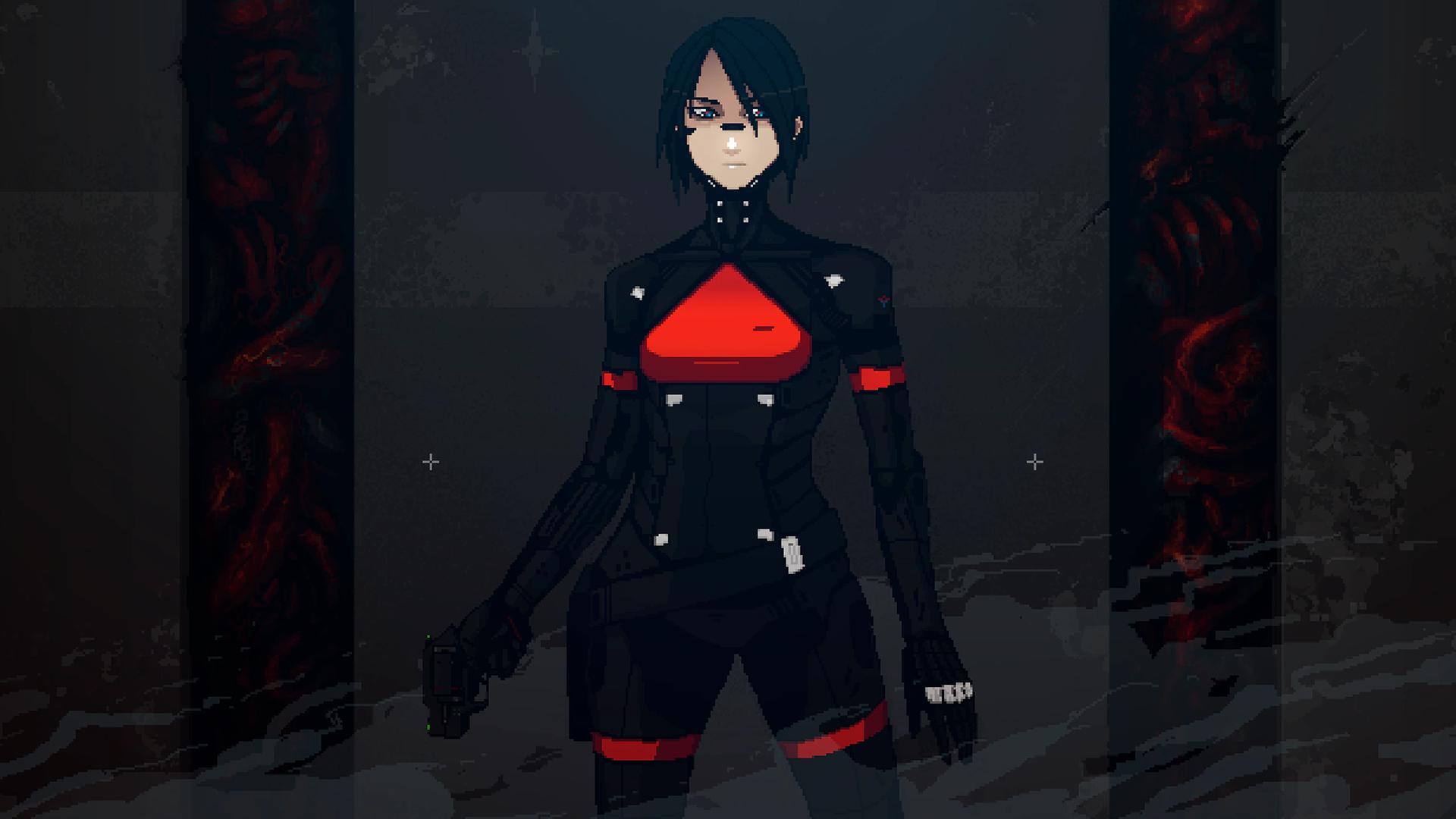
A homage to classic survival horror set in a dystopian retro-tech universe. Signalis drops players into a cold off-world facility as an Elster android searching for her missing partner while managing inventory, solving cryptic puzzles, and escaping cosmic horrors.
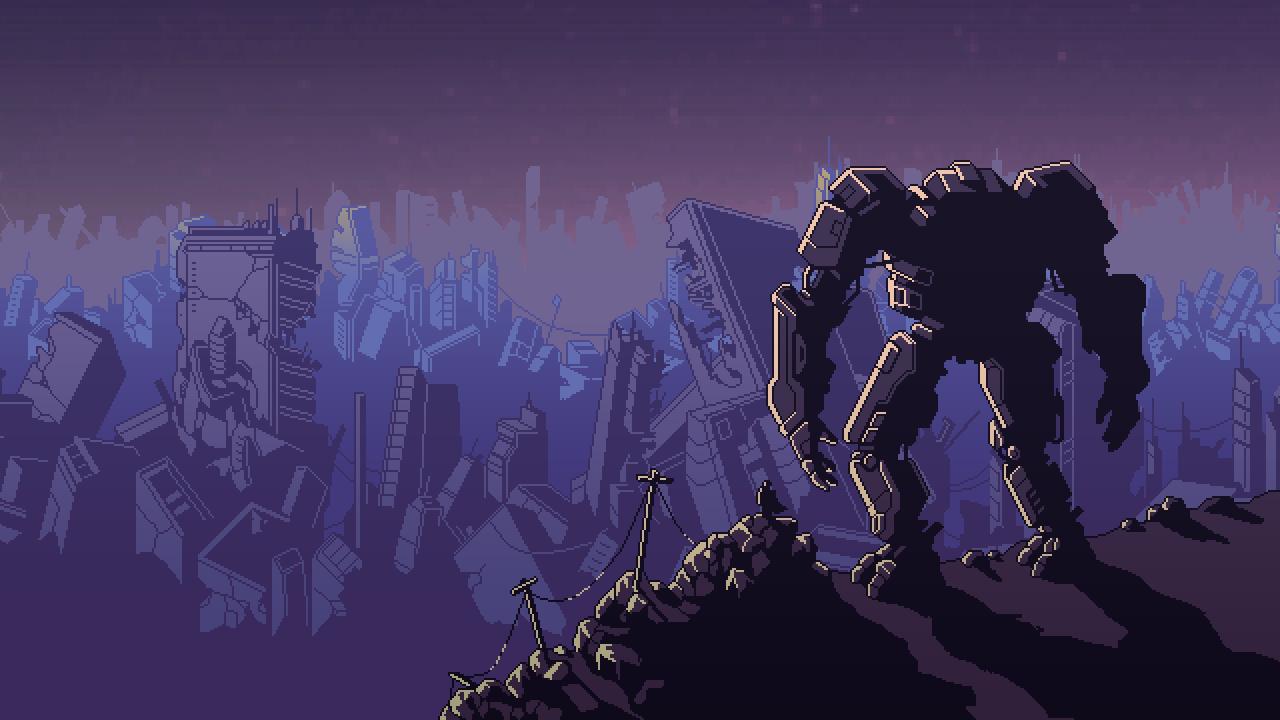
11. Into the Breach
From the creators of FTL: Faster Than Light, Into the Breach is a turn-based tactical strategy game where giant mechs fight alien giant bugs threatening human settlements. Its transparent combat system turns every turn into a rewarding puzzle.
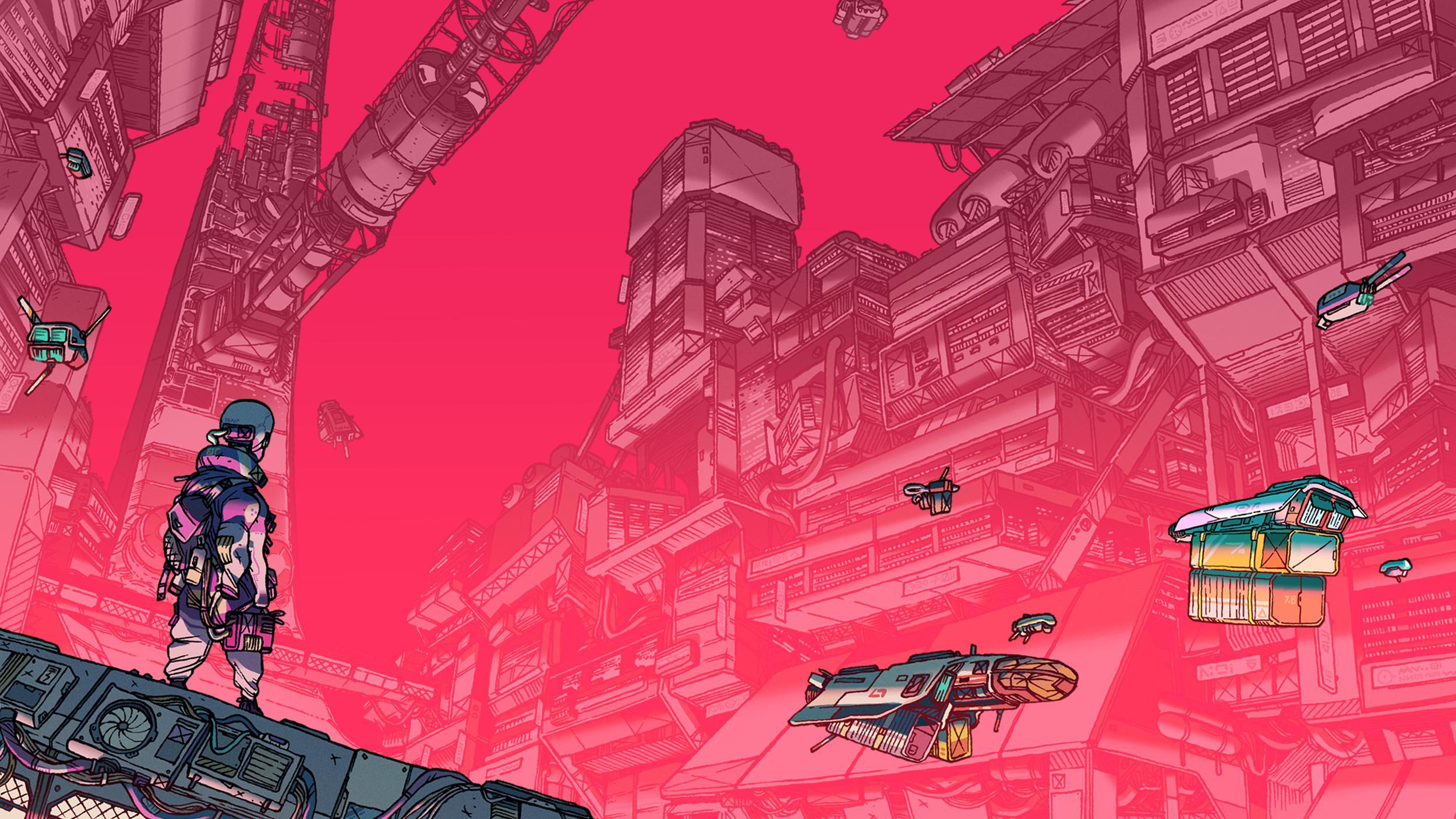
12. Citizen Sleeper
This tabletop-inspired narrative RPG places you in the cybernetic body of a digitized human consciousness on a decaying space station. Citizen Sleeper explores themes of capitalism, survival, and community in a deep tabletop dice-roll format.
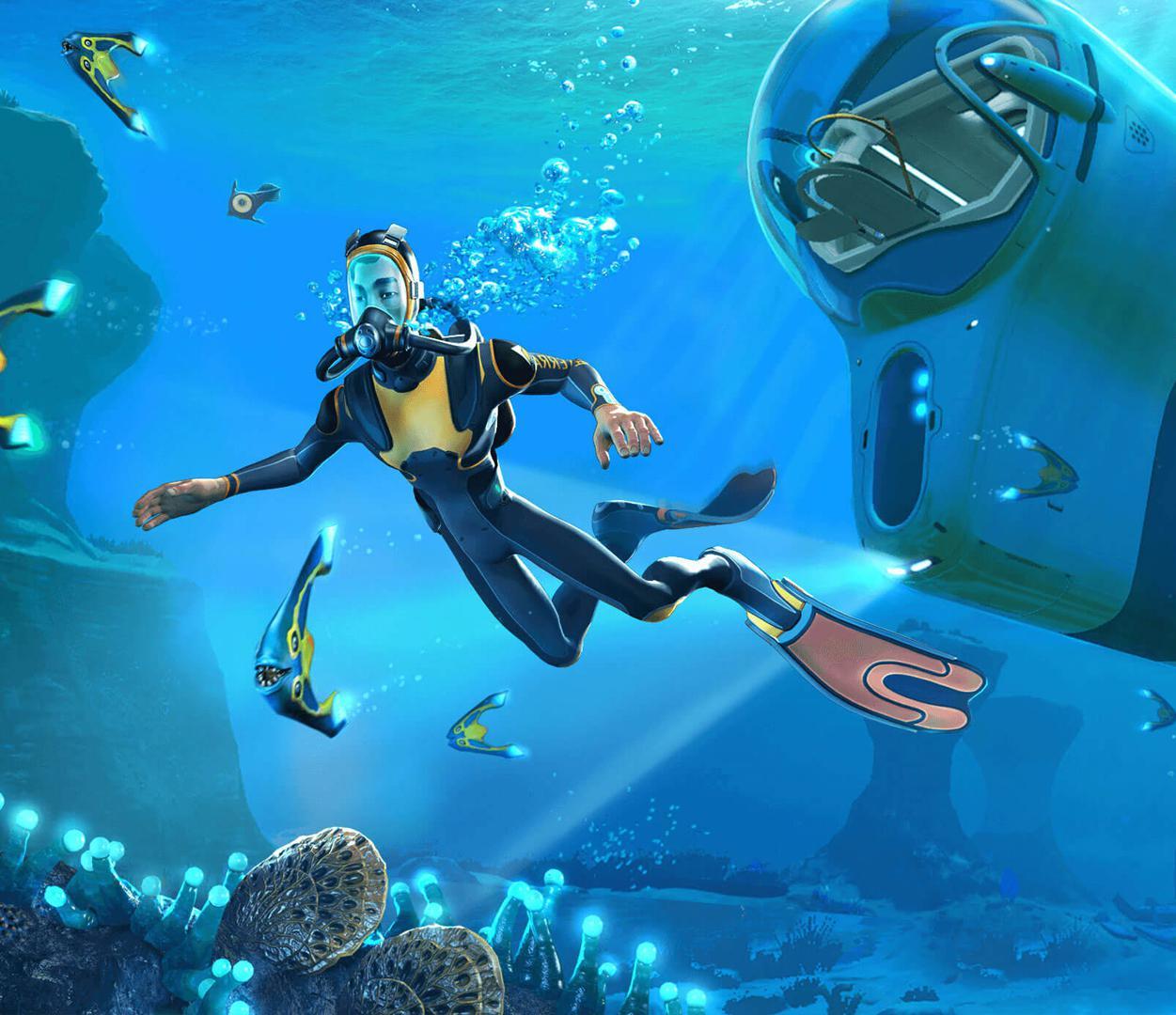
13. Subnautica
Crash landing on an alien ocean world, Subnautica requires players to scavenge materials, craft futuristic underwater submersibles, and descend into pitch-black oceanic depths filled with alien fauna and mysterious leviathans.
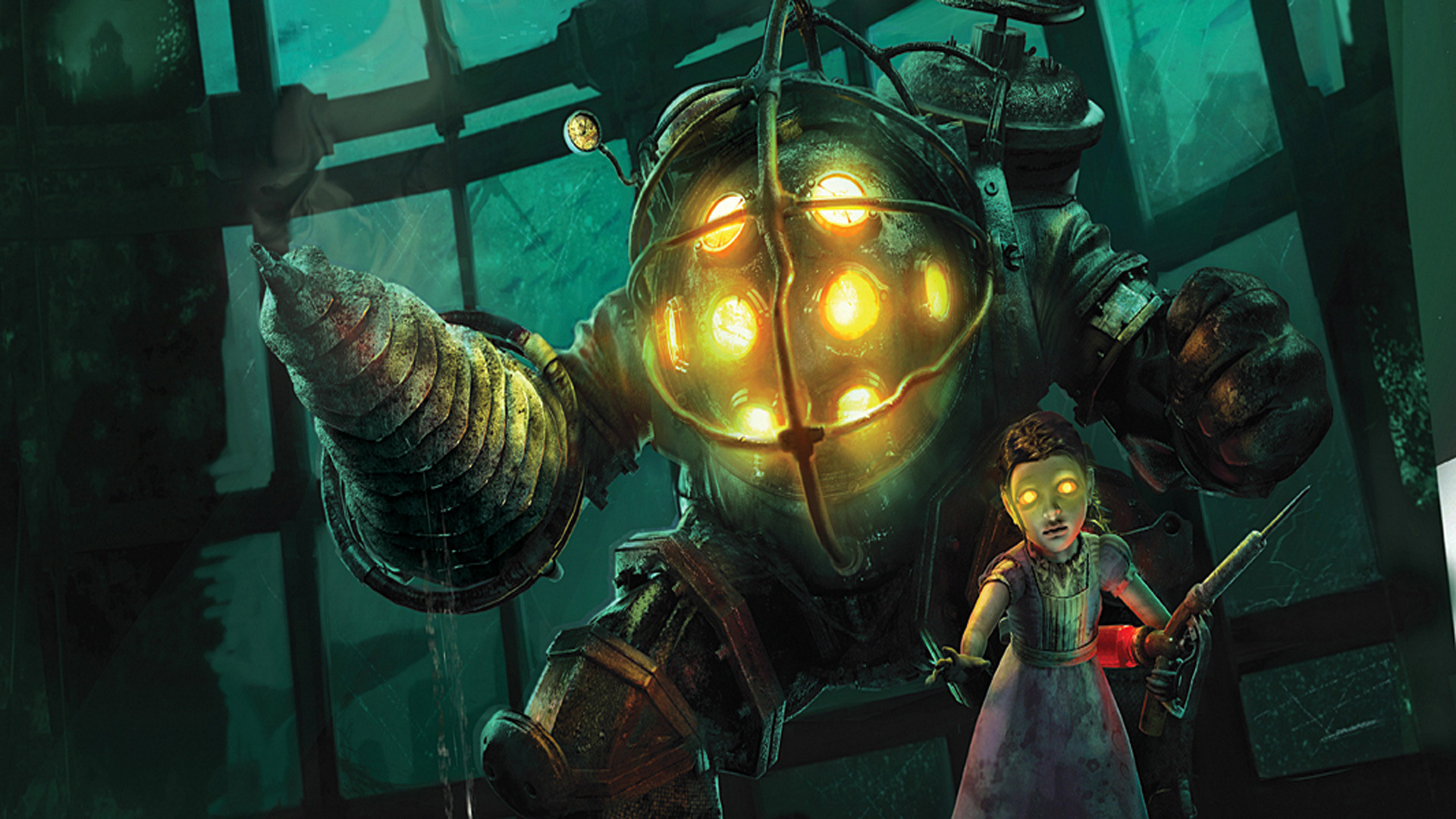
14. BioShock Remastered
Set in the submerged dystopian city of Rapture, BioShock Remastered blends retro-futuristic dieselpunk aesthetic with gene-altering genetic powers and a critically acclaimed storyline questioning morality and free will.
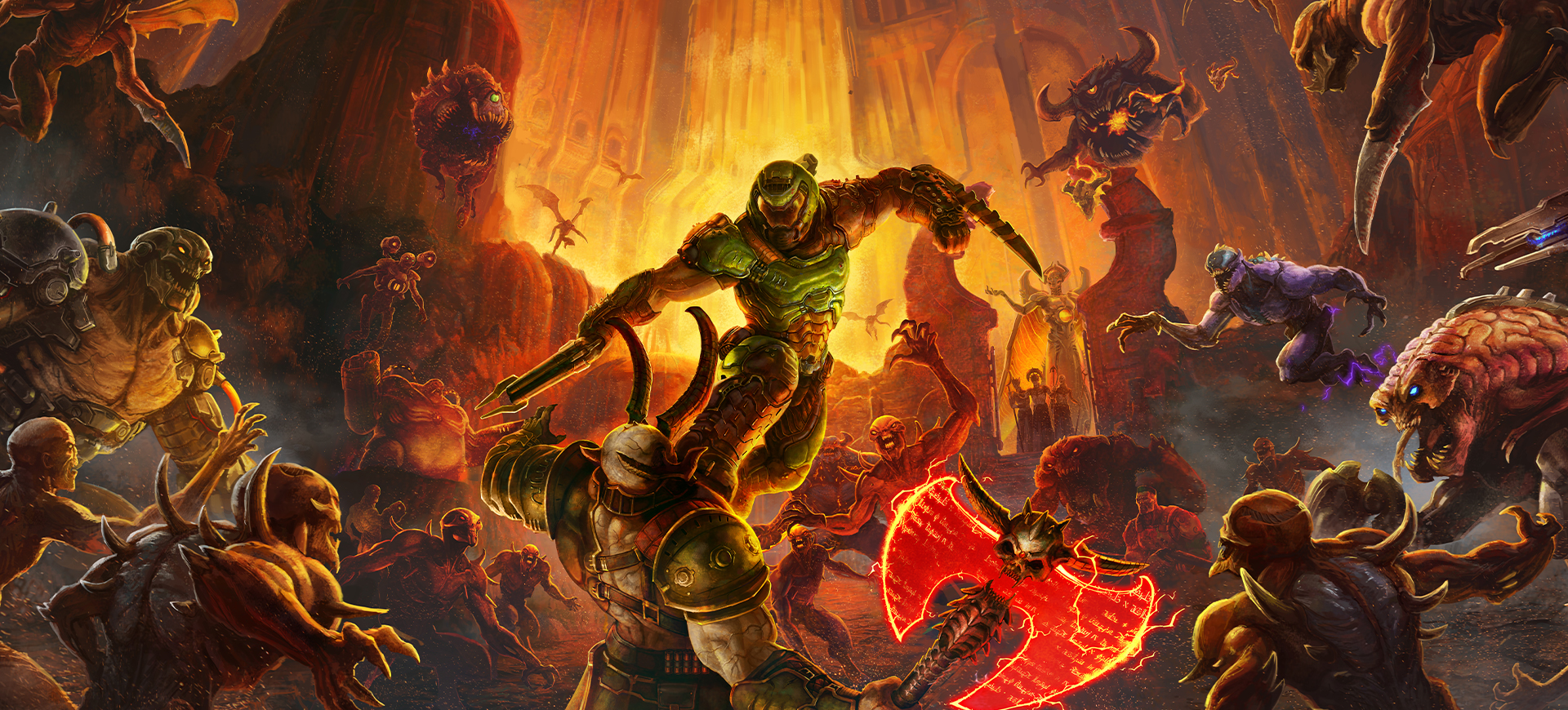
15. DOOM Eternal
Pushing fast-paced sci-fi shooter mechanics to the limit, DOOM Eternal sees the Doom Slayer repelling demonic invasions using high-tech weaponry, plasma armor, and orbital platforms across Earth and Phobos.
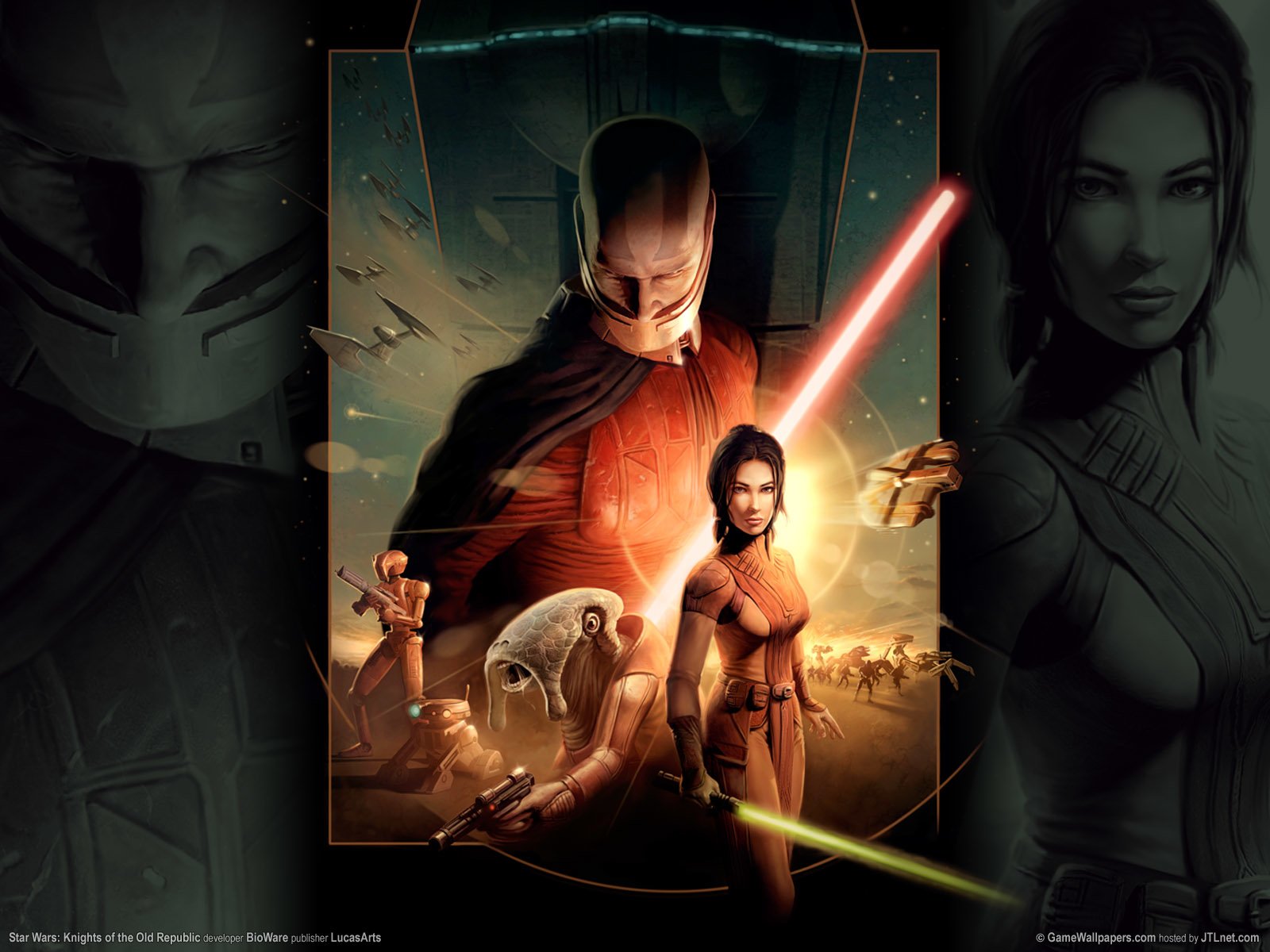
16. Star Wars: Knights of the Old Republic
One of the greatest space opera RPGs of all time, Star Wars: Knights of the Old Republic allows players to master the Force, recruit iconic companions, and chart their journey toward the light or dark side on Nintendo Switch.
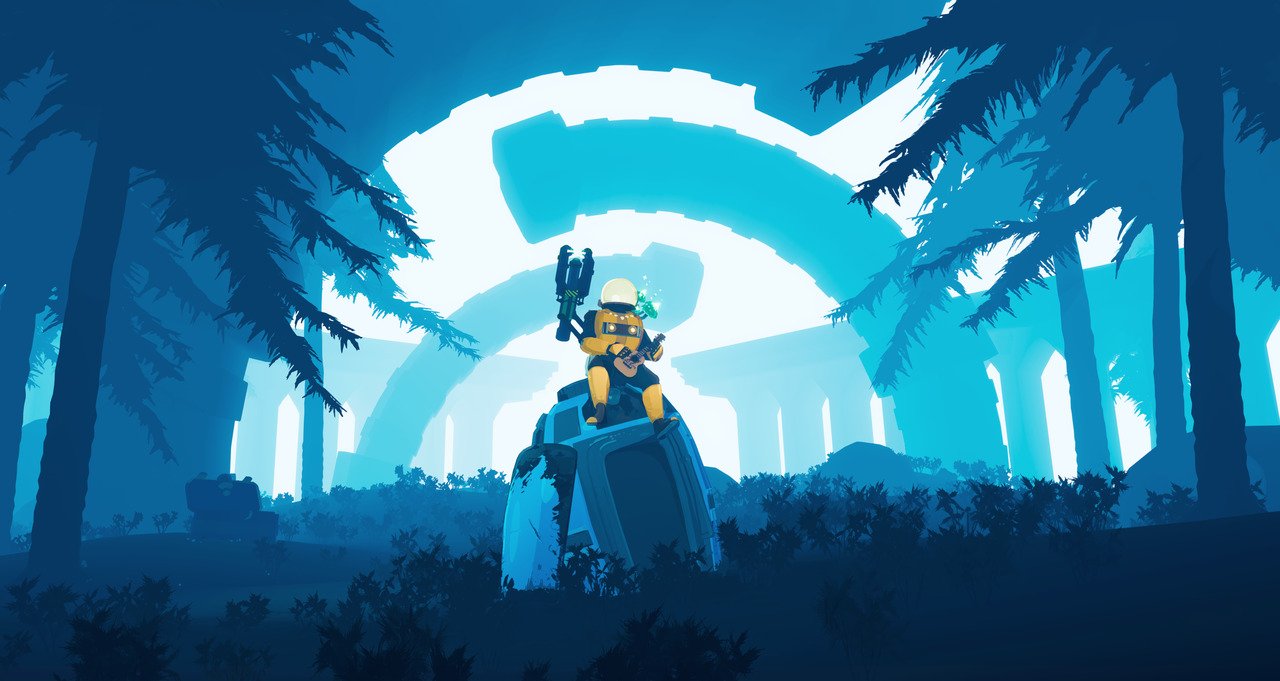
17. Risk of Rain 2
A intense 3D roguelike third-person shooter where players land on an escalating alien planet, collecting hundreds of stackable items while fighting off hordes of hostile extraterrestrial creatures.
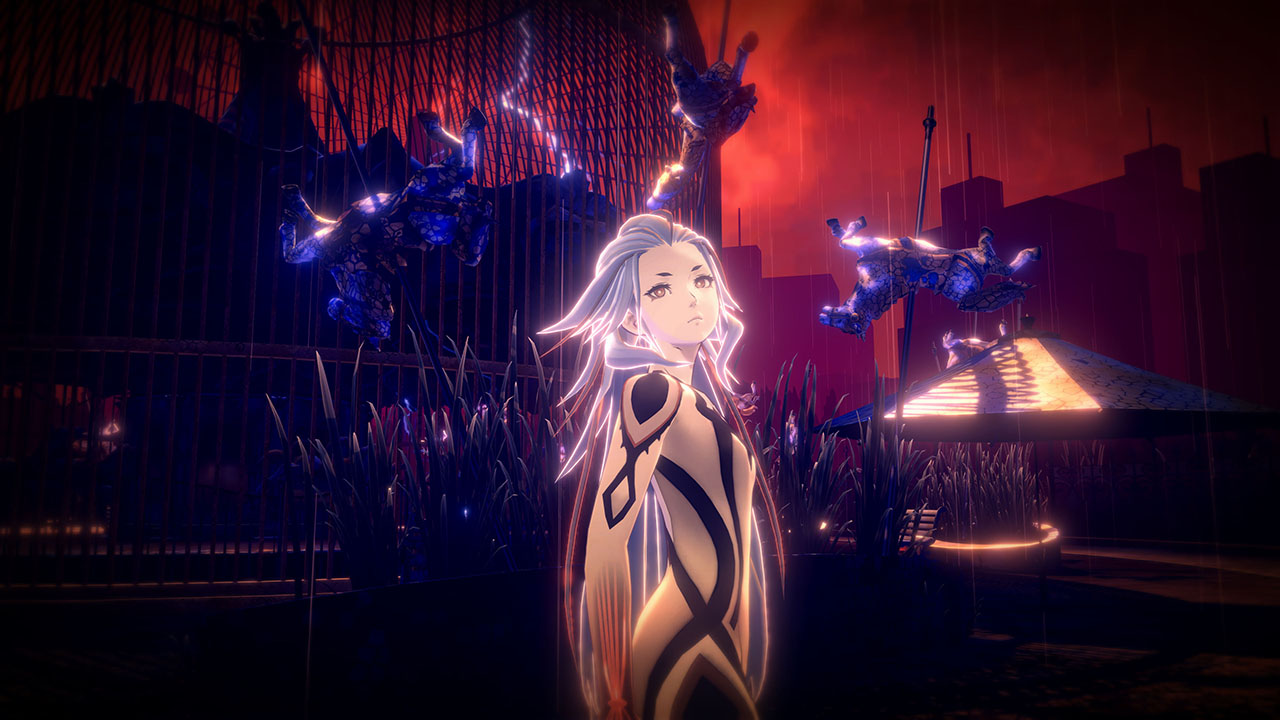
18. AI: The Somnium Files
Directed by Kotaro Uchikoshi, this cyberpunk detective visual novel follows an agent who dives into suspects' dreams using advanced futuristic technology to solve a serial murder mystery in Tokyo.
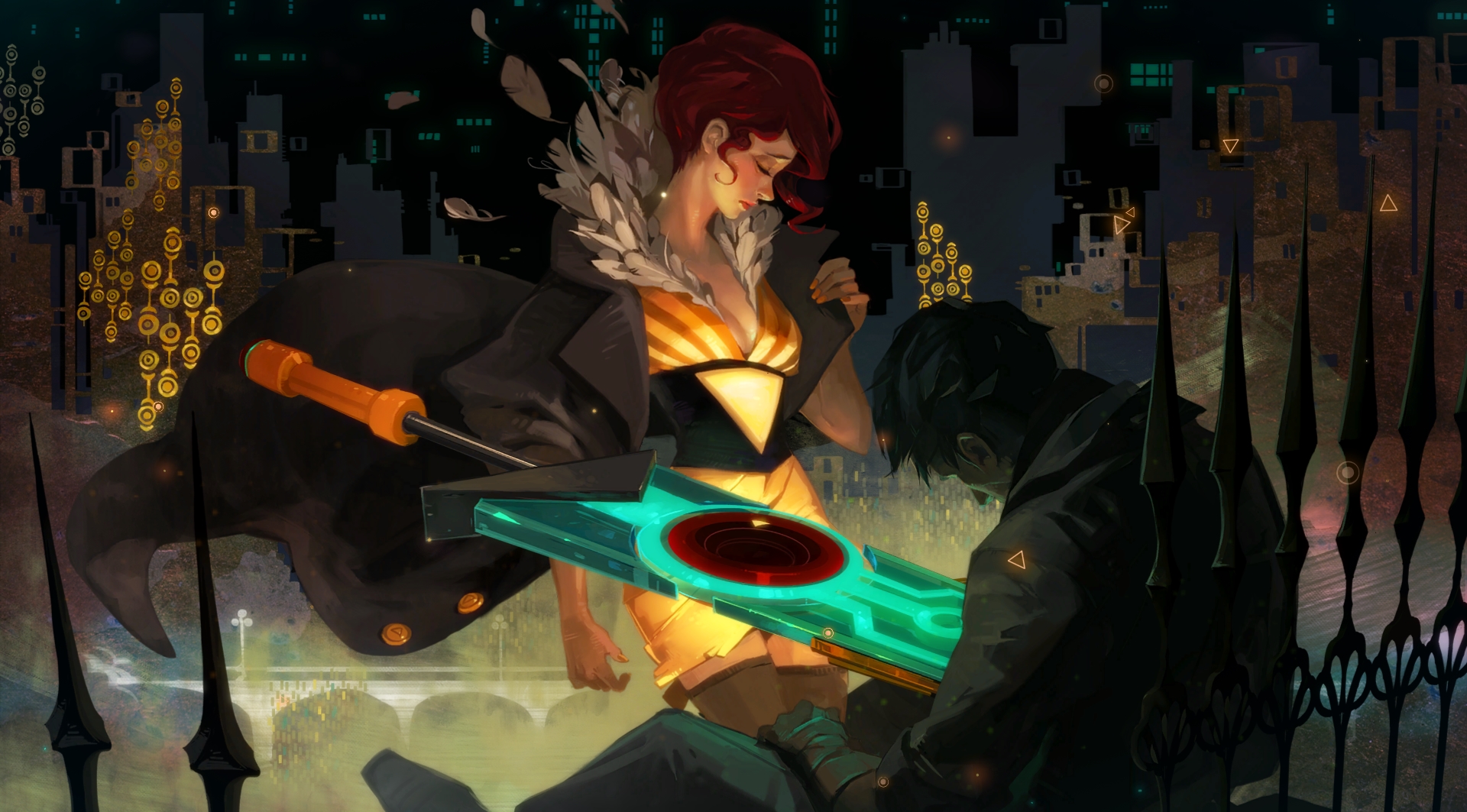
19. Transistor
Created by Supergiant Games, Transistor features an extraordinary isometric world set in a futuristic digital city. Combine real-time action with tactical time-freezing combat alongside an ethereal soundtrack.
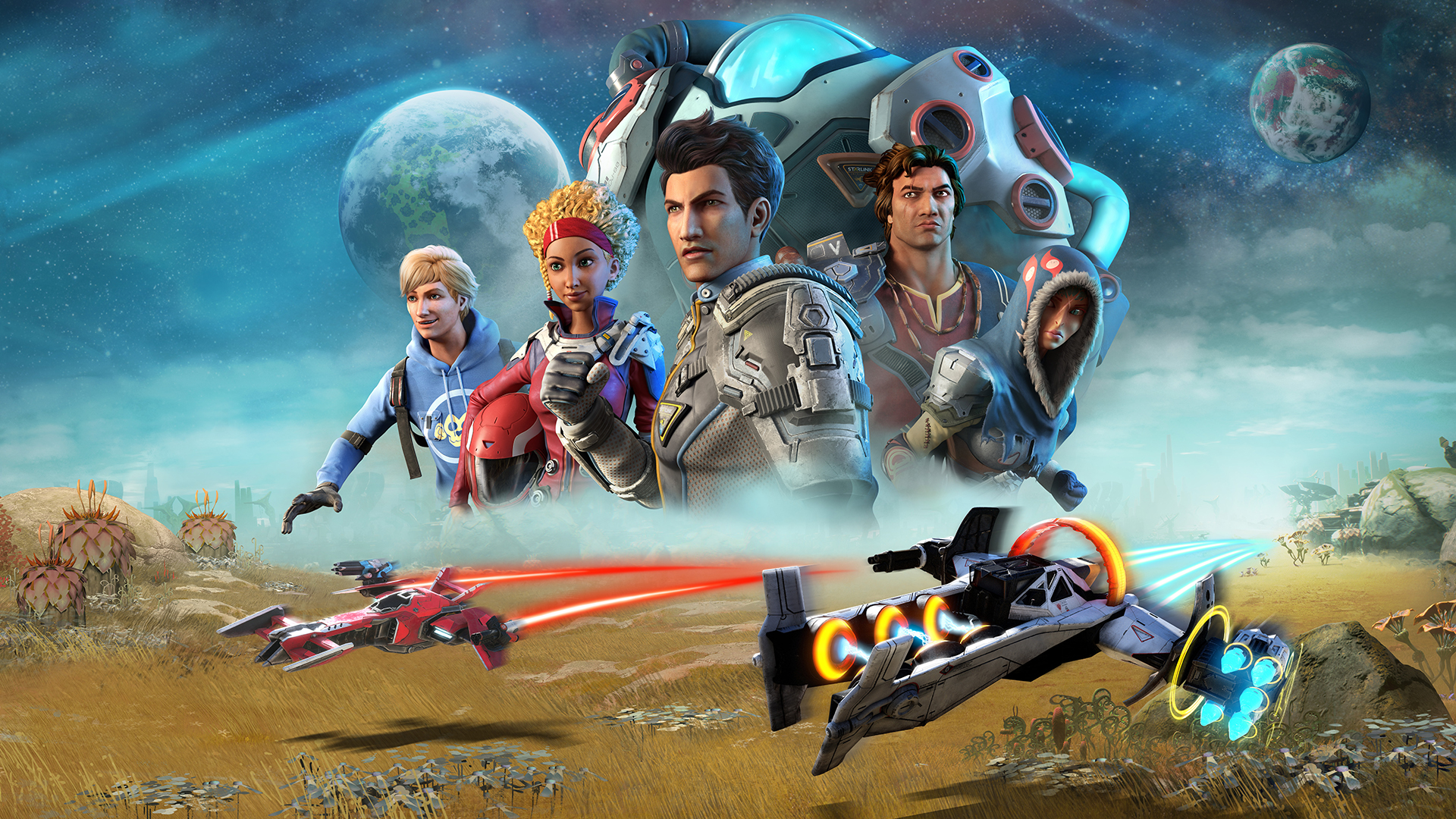
20. Starlink: Battle for Atlas
An open-world space flight action game featuring modular spaceship mechanics. Switch owners get the bonus of playing as Fox McCloud with exclusive crossover content from the Star Fox universe.
Frequently Asked Questions (FAQ)
What is the best sci-fi exclusive game on Nintendo Switch?
Metroid Dread and Astral Chain are considered the absolute best Nintendo Switch exclusive sci-fi titles, offering top-tier gameplay engineered directly for the console hardware.
Does No Man's Sky run well on Nintendo Switch?
Yes, through continuous optimization updates, No Man's Sky runs remarkably well in both handheld and docked modes on Nintendo Switch, complete with modern content updates.
Which sci-fi game offers the best story on Switch?
If narrative is your top priority, games like NieR:Automata The End of YoRHa Edition, 13 Sentinels: Aegis Rim, and Citizen Sleeper offer deep, thought-provoking science-fiction storylines.
Final Thoughts
The Nintendo Switch library features an incredible range of sci-fi titles catering to all playstyles. Whether you are seeking claustrophobic alien survival, massive mech warfare, or tactical temporal battles, these top 20 games provide fantastic futuristic worlds ready to explore anytime, anywhere.